

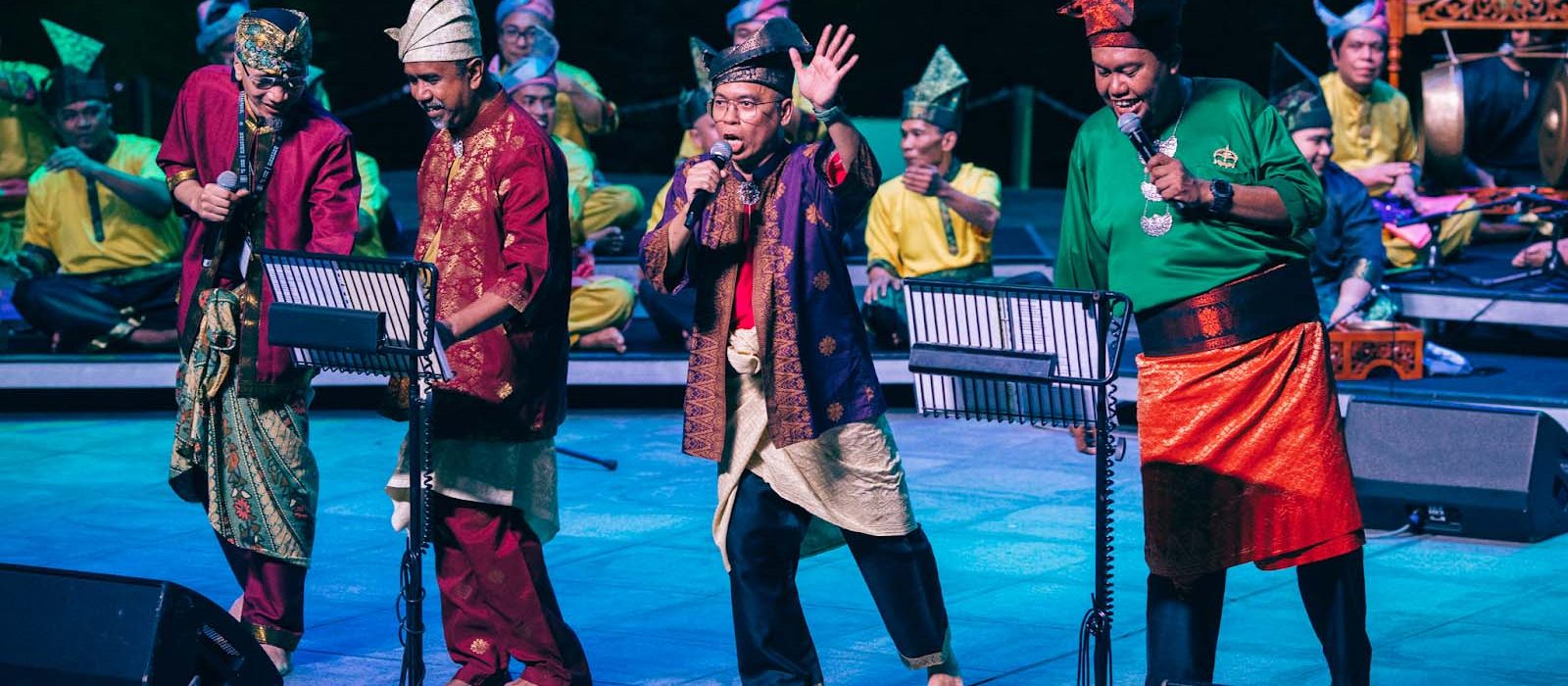
Malay is a language stacked with social nuance, hierarchy, and etiquette, and nowhere is this more evident than in its honorifics. Whether addressing a teacher, a royal family member, or even a stranger significantly older than you, Malay speakers instinctively choose terms that encode respect, social distance, and identity. But here’s the challenge: when performing Malay to English Translation / Localization, those honorifics rarely find a natural home in English sentences. English is far more egalitarian in its pronouns and titles, and while it uses words like Sir or Madam, these lack the layered social and cultural weight that Malay honorifics carry.
Translators often face a conundrum—preserve the cultural meaning and risk awkward, overly formal English, or smooth the sentence and lose the cultural subtext entirely. This article explores why Malay honorifics resist direct translation, how they reflect Malaysia’s multicultural identity, and what strategies professional translators use to avoid sounding unnatural while maintaining respect. By the end, you’ll see why translating Malay honorifics is less like converting words and more like navigating a social map.
- Understanding Malay Honorifics and Their Cultural Layers
Malay honorifics are not just titles; they are social signals. Terms like Encik, Puan, Dato’, and Tuan identify gender, rank, and relationship. In Malaysia, these forms of address help people communicate respect without needing to explain context. This system evolved from a mix of Malay royal protocol, Islamic etiquette, and colloquial norms. English, however, does not encode this much social hierarchy in everyday speech, creating an immediate gap when translating.
- Why English Struggles With Hierarchical Nuance
English prioritizes clarity and brevity. Saying Mr. or Mrs. carries no embedded societal power, while Malay honorifics often signal status, authority, or lineage. For instance, Dato’ holds significant prestige and national recognition; translating it simply as Sir removes that cultural importance. Because English lacks these subtle distinctions, translations end up flat or culturally empty.
- Titles With No Direct English Equivalent
Some Malay honorifics represent roles that do not exist in English-speaking societies. Yang Berhormat, used for elected officials, translates awkwardly as The Honourable, a phrase that feels ceremonial rather than practical in modern English. For younger audiences, it sounds archaic—more suited for a knight in a medieval story than a Malaysian parliament member.
- The Risk of Over-Formal English
Literal translation may lead to phrases such as:
The Honourable Dato’ Musa has arrived.
In English, this feels overdecorated and distant. Malay audiences interpret it as normal, but English readers may perceive it as pompous, comedic, or overly ceremonial. Localization teams often downplay honorifics unless crucial to identity.
- Honorifics That Change Social Distance
Malay uses honorifics not only for titles but also for relational respect. For example, shopkeepers may call a customer Tuan without knowing their name. Translating Good morning, Tuan as Good morning, Sir loses the warmth and the embedded cultural politeness. Malay readers instantly understand the social dynamic, while English readers see only generic courtesy.
- Religious and Cultural Identity in Titles
Malay honorifics like Haji or Hajjah identify someone who has completed the Islamic pilgrimage to Mecca. There is no English equivalent that conveys both religious achievement and respect. Simply removing these indicators strips cultural identity from the narrative, making the person’s status invisible to English readers.
- Case Example: Corporate Communication Pitfalls
Consider a localized company memo:
Malay:
Encik Farid akan mengetuai projek baru ini.
Literal English:
Mr. Farid will lead this new project.
While technically correct, the English version lacks the subtle respect conveyed by Encik. Most companies drop honorifics altogether in English communication, which shifts tone and hierarchy.
- Strategies Translators Use to Preserve Meaning
Professional localization teams rely on three approaches:
- Contextual omission – removing honorifics when unnecessary for comprehension.
- Selective retention – keeping Dato’, Tun, or Haji when identity is essential.
- Narrative compensation – explaining status through dialogue or character description rather than direct translation.
These strategies avoid robotic phrasing while maintaining cultural integrity.
- Transcreation vs. Translation
In scenarios where tone matters—such as tourism ads or political speeches—transcreation works better than translation. Instead of replicating the words, translators replicate the intended respect. A Malay line full of honorifics becomes a smoother English sentence conveying professionalism without sounding archaic.
- What This Means for Localization Teams
Localization isn’t just about language—it’s culture engineering. Teams must understand audience expectations, social hierarchy, and emotional tone. Without that, translations create unintended impressions: comedy when seriousness was intended, or disrespect when politeness was coded.
Conclusion
Malay honorifics present one of the most fascinating challenges in cross-cultural communication. Their meanings extend beyond grammar, signaling identity, respect, age, status, and religious accomplishment all at once. When translators carry these into English, they quickly discover that the English linguistic ecosystem simply isn’t built to carry the same social weight. Words that feel respectful in Malay become stiff, exaggerated, or awkward in English. That’s why successful Malay to English Localization rarely depends on literal accuracy alone. Instead, it hinges on judgment—knowing when to omit, when to explain, and when to creatively reframe meaning. For businesses, writers, or marketers engaging Malaysian audiences, understanding honorifics isn’t optional; it’s a key to sounding native, respectful, and trustworthy. To master this translation space, embrace cultural nuance, audience expectations, and adaptive strategies rather than direct word swaps.
FAQs
- Why are Malay honorifics difficult to translate directly?
Because English lacks the hierarchical and relational nuances embedded in Malay titles. - Can I always omit honorifics when translating to English?
Not always. Some titles reflect status or achievement and must be retained for context. - Are English equivalents like “Sir” enough?
They convey politeness but do not carry the depth of Malay social meaning. - Do Malay honorifics affect marketing translations?
Yes. Incorrect use may sound overly formal or culturally insensitive to English readers. - What’s the best strategy for translating honorifics?
Combine selective omission, narrative explanation, and audience-focused tone.