

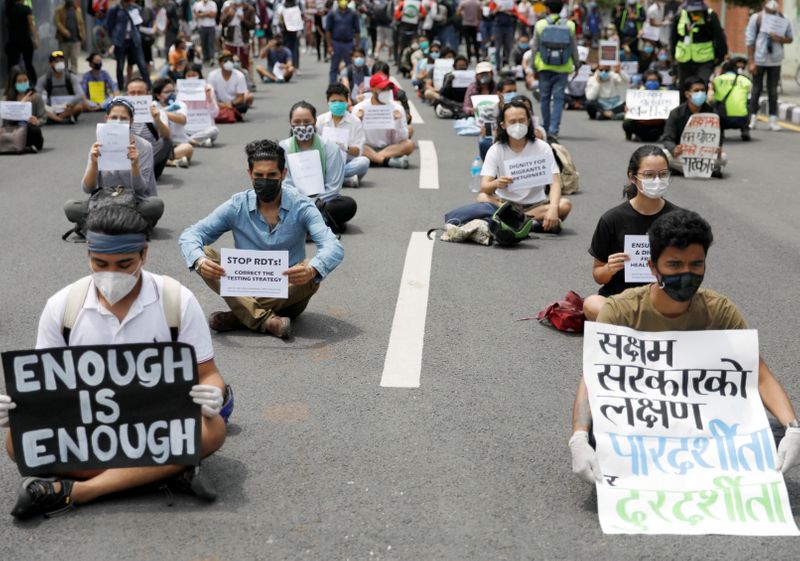
Nepali to English translation and localization becomes particularly complex when language turns into a weapon—something Nepal witnessed repeatedly during its constitutional movements. Unlike ordinary communication, political slogans are compressed ideologies. They are rhythmic, emotional, and designed to mobilize crowds. Translating them into English is not just a linguistic task; it’s a cultural negotiation. Every word in a protest slogan carries history, frustration, collective identity, and political aspiration. English versions often lose emotional voltage because the social realities, metaphors, and local grievances embedded in Nepali slogans don’t exist in the English-speaking world.
Nepali protests have historically blended poetry and politics, where humor, anger, sarcasm, and reverence coexist within a single line. Whether calling out monarchy, demanding federalism, or resisting marginalization, slogans become cultural artifacts of public sentiment. This article explores how translators navigate the tightrope between accuracy and resonance, why literal translation backfires, and how political contexts shape localization decisions. To understand Nepali protest culture, one must understand the language that carried it.
- Slogans as Compressed Political Ideology
Political slogans are verbal shorthand for complex ideas. A few words can symbolize decades of oppression, hope, or resistance. Translators must unpack meaning, not just replicate vocabulary.
- Emotion as a Structural Element
Nepali slogans are designed to be shouted, not read. Their rhythm and tone generate emotional momentum. English lacks equivalent prosodic patterns, making translated slogans sound flat or academic.
- Cultural Metaphors That Don’t Cross Borders
Many slogans use Nepali metaphors tied to land, gods, and ancestry. Literal translation drains meaning because English audiences lack cultural grounding.
- Identity-Based Language
Terms referring to ethnic groups, caste hierarchies, or political factions carry emotional histories English cannot encode. Translators must avoid neutrality that erases struggle.
- Syntax Built for Chanting
Nepali slogans compress grammar for maximum impact. English requires fuller structures, weakening rhythm and urgency when slogans are localized.
- Historical Weight of Key Terms
Words like loktantra (people’s democracy) or adhikar (rights) are not just political vocabulary—they are ideological milestones. English equivalents fail to carry historical trauma and triumph.
- Risk of Political Misinterpretation
Literal English versions can unintentionally escalate sentiments or neutralize demands. Localization involves responsibility, not just language.
- How Translators Mediate Political Intensity
Professional translators act like diplomats—balancing fidelity to meaning with appropriateness for international audiences who may misread tone or intent.
- Example: Federalism and Regional Identity
Slogans around samvidhan (constitution) and federalism represent demands for identity recognition. Translators often expand slogans to explain urgency rather than mirror brevity.
- Strategies for Localizing Protest Language
- Explanatory Additions
Clarify context without diluting power, ensuring foreign audiences grasp underlying grievances.
-
- Cultural Anchoring
Preserve key Nepali terms tied to identity, using transliteration when necessary.
-
- Ethical Localization
Avoid sensationalism. Good translators prevent ideological misfires in foreign media.
- When Translation Isn’t Possible
Some slogans cannot be re-created in English without detailed explanation. In such cases, retaining the Nepali original and offering context honors authenticity.
- Language as Legacy
Political slogans become historical markers. Poor translation risks altering national memory and weakening the record of social transformation.
Conclusion
Political language is never neutral, and in Nepal’s constitutional movements, it carried the hopes and fractures of millions. Nepali to English translation and localization of slogans requires more than lexical skill—it demands cultural empathy, political awareness, and historical sensitivity. A slogan might look like a short phrase, but it is a container holding generations of struggle, sacrifice, and identity. When translated literally, slogans lose rhythm, urgency, and ideological charge, leaving foreign audiences with words but no heartbeat.
Effective localization respects both political volatility and cultural specificity. It translates not just language, but intention and emotion. As Nepal continues defining its political landscape, translators serve as guardians of meaning. They ensure that the voices shouting in Kathmandu’s streets are understood beyond Nepal’s borders, without distortion or dilution. If language is power, then translation is the bridge that carries that power across cultures—one slogan at a time.
FAQs
- Why are Nepali political slogans difficult to translate?
Because they contain historical, emotional, and cultural meanings that English cannot express concisely. - Do translated slogans lose impact?
Yes. English lacks similar rhythm, metaphors, and social context, reducing emotional intensity. - Can slogans be localized without explanation?
Rarely. Political context is essential to avoid misunderstanding or misrepresentation. - Why do Nepali protest terms feel poetic?
Nepali political language blends metaphor, rhythm, and cultural references rooted in oral tradition. - Should slogans remain untranslated?
Sometimes yes, especially when translation risks distortion or cultural erasure.