

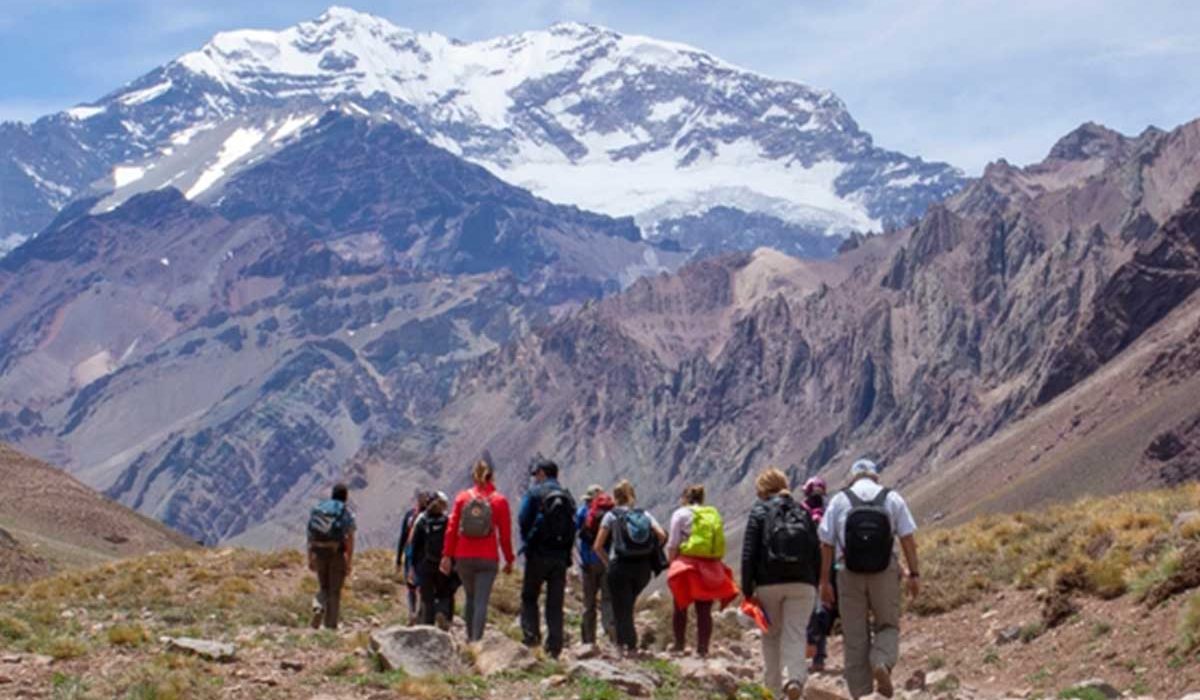
Nepali to English translation and localization becomes especially challenging when the subject involves the Himalayas—home to the world’s tallest peaks, ancient trails, and deeply rooted linguistic expressions. Trekking in Nepal is not merely a physical activity; it’s a cultural experience layered with spiritual narratives, environmental contexts, and indigenous worldviews. As global tourism surged, especially after Nepal opened its borders in the mid-20th century, trekking companies had to find ways to share Nepali mountain terminology with travelers who had never encountered such concepts before. The complications arise not from lack of vocabulary, but from the mountain culture’s poetic and experiential language.
For agencies promoting Everest Base Camp, Annapurna Circuit, or Langtang Valley, translating mountain terminology is not just about providing accurate trail instructions—it’s about conveying the emotional gravity of the landscape. Whether referring to sacred peaks (Himal), dangerous icefalls (Khumbu Icefall), or rest stops known as chautari, each term reflects Nepal’s cultural and geographical identity. This article explores real localization strategies trekking agencies use to ensure tourists understand the meaning behind the words without losing the magic and respect embedded within Nepali mountain culture.
- The Meaning Behind “Himal” — Not Just a Mountain
In English, a mountain is just a mass of land rising above the earth. But in Nepali, Himal refers to a sacred entity, almost alive. Translating it as “mountain” strips away its spiritual resonance. Trekking agencies often preserve the term while adding contextual explanations to ensure tourists recognize the cultural reverence associated with it. This prevents the landscape from becoming a simple geographic feature and maintains its cultural dignity.
- “Khumbu Icefall” — A Term LoadedWithDanger
The Khumbu Icefall is infamous among climbers attempting Everest. When trekking companies explain it, they don’t merely translate it as “slippery ice section.” They emphasize risk, unpredictability, and its symbolic status as a rite of passage. The term carries emotional weight for Sherpa communities, who see it not only as a hazard but a living force demanding respect. Localization captures that nuance through storytelling-rich descriptions rather than literal wording.
- “Chautari” — A Resting Place With Social Purpose
A chautari is not just a bench or trail stop. It’s a cultural meeting point constructed beneath a sacred tree, often used for storytelling, route planning, and community bonding. Translating it as “resting platform” fails to capture this social and spiritual role. Trekking agencies describe chautaris in brochures as “traditional stone resting spots where travelers share stories,” effectively merging function with cultural meaning.
- “Gumba” — Monastery or Cultural Hub?
Trekking trails often pass gumbas, yet labeling them “monasteries” oversimplifies their cultural influence. Gumbas serve as community centers, libraries of spiritual texts, and guardians of local heritage. Localizers commonly use descriptive translations like “Buddhist cultural monastery” to convey their multifaceted purpose. This helps tourists understand why photos, loud voices, or casual entry may be restricted in these areas.
- “Yarsagumba” — More Than a Himalayan Herb
Yarsagumba is a rare caterpillar fungus valued as a medicinal treasure. Calling it “Himalayan viagra,” a popular media description, trivializes its historical significance and economic value for mountain communities. Trekking agencies now educate tourists about its cultural reverence, ecological impact, and livelihood implications to counter misleading stereotypes. This is localization at work—correcting cultural misconceptions through context.
- Sherpa Terminology — Identity, Not Job Title
Many foreign tourists mistakenly assume “Sherpa” means porter or guide. In reality, Sherpa is an ethnic group with deep Himalayan roots, distinct language, and unique mountaineering legacy. Reducing it to an occupation diminishes cultural identity. Trekking companies have begun recontextualizing the term, explaining that “Sherpa” refers to a people who became globally known for their mountain expertise—not a generic mountain worker.
Why Literal Translation Fails in Mountain Terminology
Literal translation removes emotion, history, and identity. Nepali mountain terminology is born from lived experiences, spiritual respect, and ecological knowledge. When agencies opt for direct English replacements, travelers misunderstand customs, disrespect sacred spaces, or underestimate risks. Localization fills these gaps through descriptive language, visuals, and cultural narratives.
Localization Strategies Used by Trekking Agencies
- Retaining Nepali Keywords With Explanations
Instead of replacing Himal or chautari, agencies keep original terms and add contextual definitions. This preserves authenticity while enabling comprehension.
- Using Storytelling to Convey Meaning
Guides share legends about mountains, wildlife spirits, or ancient travelers. This emotional layer is something a dictionary entry can never provide.
- Visual Localization
Maps, icons, and imagery help bridge linguistic gaps. Showing a gumba or Khumbu Icefall gives tourists immediate clarity without oversimplified language.
- Culturally Trained Guides
Agencies invest in multilingual Sherpa and Gurung guides who interpret culture in real time—something translation apps still cannot replicate.
Case Study Insight: Everest Base Camp Trek
Agencies marketing the Everest Base Camp Trek often retain the Nepali names of peaks, passes, and settlements. Instead of renaming Kala Patthar, they describe it as a viewpoint famed for sunrise panoramas, heightening emotional attachment. This mix of transliteration and contextual storytelling is the bedrock of modern Himalayan localization.
Conclusion
Tourism in Nepal thrives not because of its mountains alone, but because of the culture, beliefs, and language that surround them. Nepali to English translation and localization allows trekking agencies to introduce global tourists to more than physical landmarks. They serve as custodians of Himalayan terminology, ensuring travelers do more than observe—they understand. Concepts like Himal, chautari, and gumba illustrate how deeply language reflects the mountain way of life. When these terms are translated without cultural awareness, their significance collapses into bland geography.
Effective localization respects the emotional connections Nepali communities have with their environment. It transforms foreign travelers into informed participants rather than passive spectators. For anyone planning a trek through Nepal, pay attention to the words your guide uses. They are not decorative labels—they are keys to understanding an entire worldview carved into stone, prayer flags, and snow. Language, like the mountains, deserves to be climbed with respect.
FAQs
- Why can’t trekking terms be translated directly into English?
Most terms reflect cultural and spiritual values that lose meaning when simplified into literal English. - Do trekking agencies use English names for Nepali landmarks?
Some do, but leading agencies retain Nepali names to preserve authenticity and cultural identity. - What’s the biggest challenge in localizing mountain terminology?
Balancing accuracy with emotional impact while ensuring tourists understand cultural context. - Can AI translate Himalayan terminology effectively?
Not fully. AI lacks cultural memory and struggles with nuance embedded in local terminology. - Why is cultural context important for mountain tourism?
It deepens traveler experience, strengthens respect for local customs, and prevents misinterpretation.