

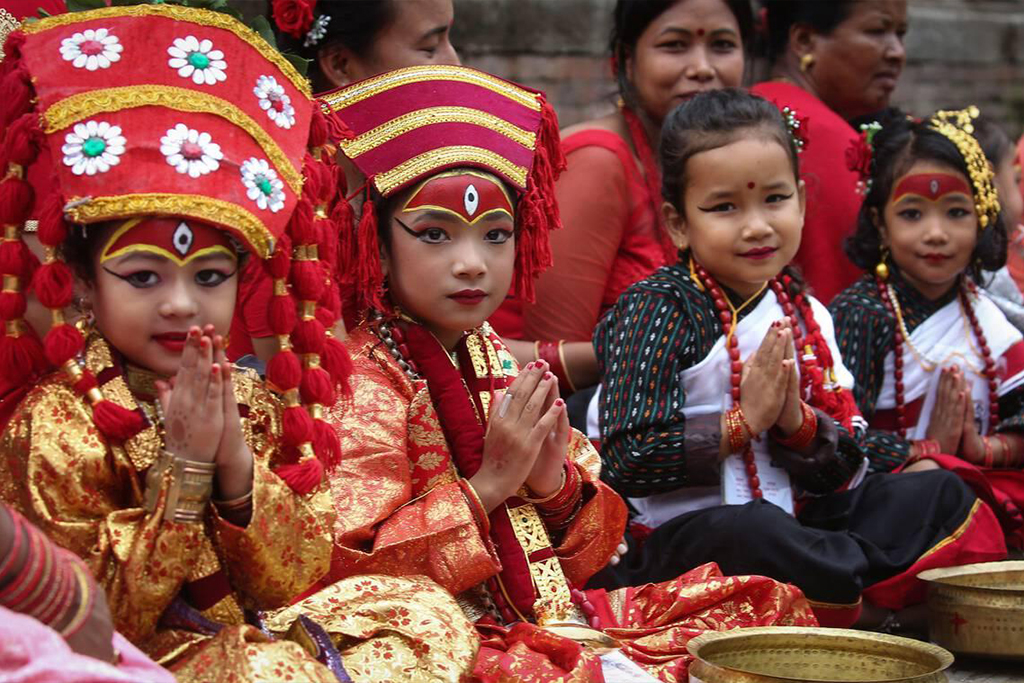
Nepali to English translation and localization is far more than replacing words from one language to another—it’s an attempt to translate identity, spirituality, and worldview shaped by the Himalayan landscape. While English thrives on specificity and structure, Nepali flows with layered meanings, cultural cues, and deeply rooted social hierarchies. This creates fascinating challenges for linguists, especially when dealing with ideas that exist in Nepali culture but have no true equivalents in English. It’s not just about vocabulary; it’s about translating values, emotions, relationships, and centuries-old beliefs.
In fact, many Nepali terms carry stories, symbols, and sentiments that English struggles to capture without lengthy explanation. These concepts often reflect Nepal’s communal lifestyle, its respect-based communication system, and its spiritual principles influenced by Hinduism, Buddhism, and animistic traditions. So, how do translators make sense of ideas for an English-speaking audience without losing their soul? In this article, we explore six uniquely Nepali cultural concepts that resist direct English translation and examine how professional localizers creatively bridge the cultural gap.
- “Dharma” — More Than Religion
Many assume dharma simply means “religion,” but that’s like calling Mount Everest a hill. In Nepali culture, dharma includes duty, virtue, moral order, spirituality, and social responsibility. Translators often struggle because there’s no single English word that captures all layers of this meaning. You can’t explain dharma without acknowledging its philosophical role in guiding personal and communal decisions. When localizing Nepali content, professionals often retain the term and provide contextual notes rather than flattening it into a narrow English equivalent.
- “AfnoManche” — The Inner Circle of Trust
The phrase afno manche means “our people,” but not in the casual English sense. It refers to trusted individuals who are emotionally, socially, or karmically bound to you—people who will pick you up from the airport at 2 AM without hesitation. Western cultures might call this a “support network,” yet the Nepali version includes unspoken obligations, loyalty, and long-term reciprocity. This concept illustrates Nepal’s collectivist nature, making literal translation inadequate. Successful localization requires storytelling that preserves the emotional nuance behind these relationships.
- “Jhuma” — The Cultural Role of the Youngest Daughter
In some Himalayan communities, jhuma refers to the tradition where the youngest daughter is dedicated to monastic life. Translating it as “nun” strips away centuries of cultural and spiritual context. The English term fails to convey the social expectation, economic impact, and symbolic importance embedded within jhuma. Translators often navigate this by using descriptive translations like “ritually consecrated youngest daughter,” but even that lacks emotional resonance. It’s a perfect example of how Nepali to English localization requires cultural education, not just linguistic accuracy.
- “Sanskar” — Rituals That Shape Identity
Sanskar represents rites of passage and values that shape an individual’s character from birth to death. Think of it as a blend of etiquette, moral training, and religious rituals rolled into one lifelong roadmap. English lacks a word that encompasses spiritual growth, cultural identity, and behavioral expectations simultaneously. When Nepali texts reference sanskar, translators must decide whether to generalize it as “cultural rituals,” risking oversimplification, or explain its layers more directly. Neither approach feels perfect, yet both attempt to prevent cultural dilution.
- “Laaj” — A Social Emotion Without Borders
Laaj roughly translates to “shame,” but that’s only one slice of the meaning. It also includes modesty, self-respect, and social awareness. English breaks these emotions into separate terms, but Nepali combines them into one powerful cultural driver. If someone violates laaj, they are not merely embarrassed—they disrupt social harmony. Translating it as “shame” erases the concept’s dignity-oriented dimension. Skilled localizers use hybrid phrasing, like “culturally bound sense of honor,” to maintain emotional accuracy.
- “Birta” — Land With Spiritual Ownership
Birta refers to ancestral land granted for religious or social service. Calling it “land grant” in English ignores the sacred and ancestral context behind it. In Nepali culture, birta shapes family identity, lineage, and social obligations. A translator must balance legal, spiritual, and emotional layers when explaining it to English readers who may not share these cultural frameworks. This concept proves how geography and spirituality are intertwined in Himalayan identity.
Why These Concepts Resist English Translation
Many languages encode cultural logic, but Nepali embeds its values directly into words. The problem isn’t vocabulary—it’s worldview. English prioritizes individualism, while Nepali emphasizes collective responsibility and cosmic order. Without acknowledging this, translation turns into cultural erasure. That’s why localization specialists rely on explanatory phrasing, cultural substitution, and narrative context to protect meaning.
The Role of Localization in Cultural Preservation
Localization goes beyond converting text—it adapts meaning for cultural resonance. This ensures Nepali ideas retain emotional impact even when consumed by global audiences. When professionals translate Nepali cultural terms, they’re not just linguists; they’re cultural ambassadors.
Conclusion
The Himalayas are more than a mountain range—they are a living archive of beliefs, values, and social codes reflected through language. When performing Nepali to English translation and localization, experts encounter cultural concepts that refuse to shrink into English-sized boxes. Words like dharma, afno manche, jhuma, sanskar, laaj, and birta carry emotional density, spiritual meaning, and social obligations that can’t be understood without cultural context. That’s why effective translation requires more than bilingual proficiency—it demands cultural intuition and respect.
For translators, the challenge is not simply to convert words but to preserve meaning, identity, and nuance. English speakers might never fully grasp every Nepali concept, but thoughtful localization ensures these ideas travel farther than the language itself. Whether you’re a linguist, a global business leader, or a curious reader, the key takeaway is clear: language is culture, and culture deserves to be honored—not diluted. If you’re working with Nepali content, invest in translators who understand both the grammar and the soul behind the words.
FAQs
- Why can’t some Nepali words be directly translated into English?
Because they carry cultural, emotional, and spiritual meanings that English lacks single-word equivalents for. - Is localization more important than translation for Nepali content?
Yes. Localization preserves cultural resonance, not just literal meaning, ensuring messages feel native to the audience. - How does collectivism influence Nepali vocabulary?
Nepali terms often reflect social obligation, communal ties, and identity, which are less emphasized in English-speaking cultures. - Why do translators sometimes keep Nepali terms untranslated?
To avoid oversimplifying concepts that lose meaning when forced into inadequate English equivalents. - Can AI tools handle Nepali cultural translation accurately?
Not yet. AI lacks contextual awareness and cultural understanding, making human expertise essential in this domain.